

Non-Toxic, GOTS Certified Toys: What Makes a Baby Toy Truly Safe?
In 2026, the definition of a "safe" baby toy has shifted. It’s no longer just about avoiding choking hazards; it’s about GOTS 8.0 certification and the total absence of PFAS, heavy metals and microplastics. Modern parents now look for a comprehensive evaluation of chemical purity and material origin before bringing a new toy into their home.
For parents navigating the world of soft toys, understanding the difference between conventional synthetic plush toys and certified organic alternatives is essential. This guide explores what the latest Global Organic Textile Standard (GOTS) means for your baby, the hidden risks of polyester fillings and how to choose the safest newborn soft toys on the market.
What is GOTS Certification for Baby Toys?
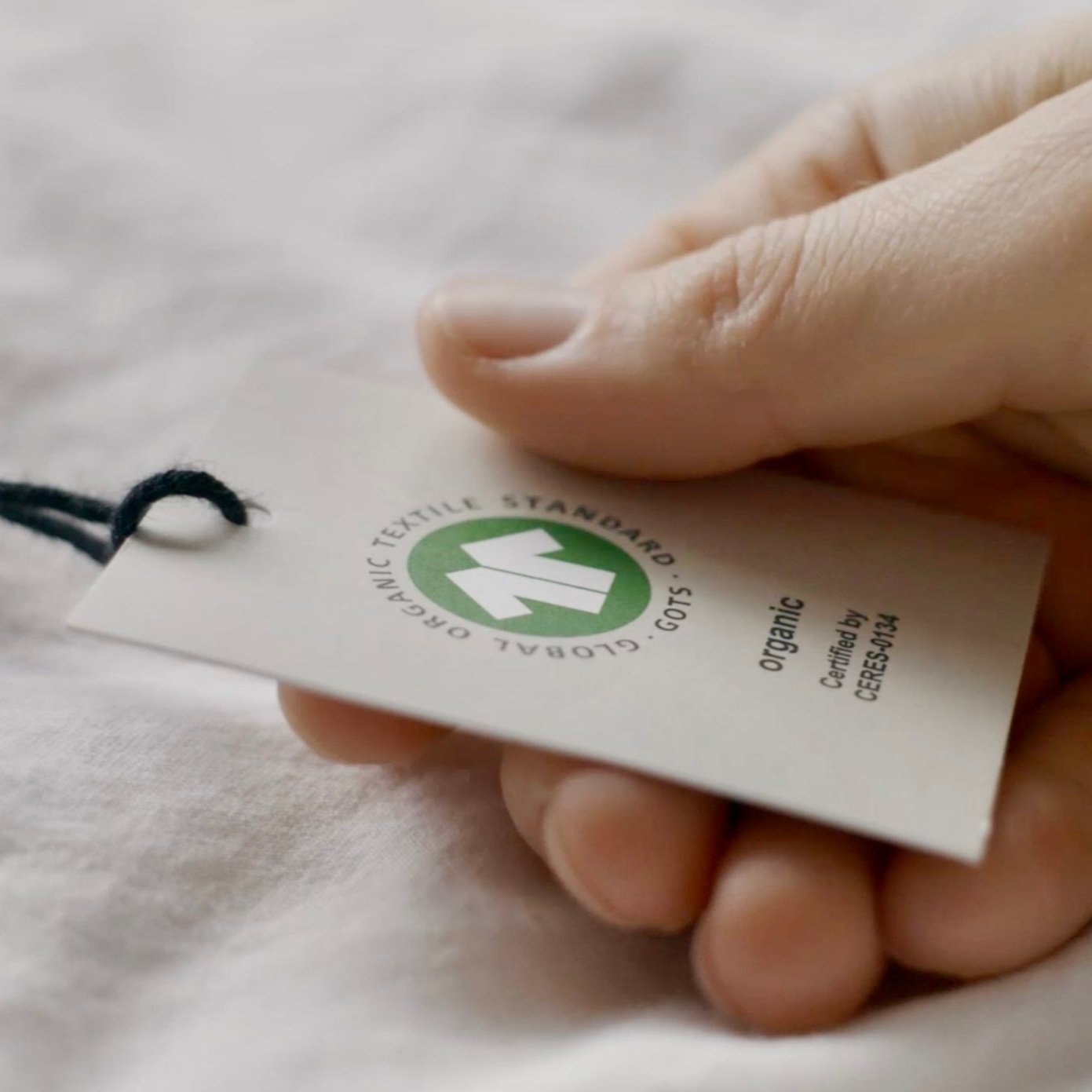
The Global Organic Textile Standard (GOTS) is the worldwide leading textile processing standard for organic fibres. As of March 1st 2026, the release of GOTS Version 8.0 has elevated this standard from a voluntary best practice to a legal threshold for market entry in several major jurisdictions, including the EU and California.
When a baby toy carries the GOTS 8.0 certification, it guarantees:
- Fibre Purity: The toy must contain a minimum of 95% certified organic fibres, ensuring no synthetic pesticides or herbicides were used in farming.
- Strict Chemical Prohibitions: GOTS 8.0 strictly prohibits PFAS ("forever chemicals"), toxic heavy metals, formaldehyde and aromatic solvents.
- Microfibre Management: To combat plastic pollution, the 2026 standard introduces mandatory requirements for microfibre shedding management.
- Social Accountability: The certification requires third-party verification of fair labour practices, ensuring ILO-aligned conditions across the entire supply chain.
The Hidden Risks of Conventional Soft Toys
Conventional plush toys are predominantly made from polyester (PET), a petroleum based plastic. Because infants explore the world through their mouths, the materials used in their toys directly impact their health.
Polyester fill in infant toys poses a dual risk: it acts as a "chemical Velcro" for toxic flame retardants and contributes to microplastic levels in infants that are 15 times higher than in adults. This alarming statistic is largely driven by hand-to-mouth behaviour with synthetic toys and blankets.
Beyond these chemical risks, polyester is also naturally flammable. To meet basic fire safety regulations, these toys are often treated with brominated flame retardants (BFRs), which recent studies link to endocrine disruption and developmental disorders. There is also the risk of antimony trioxide - a catalyst used in polyester production - leaching from toys when sucked or chewed on by babies.
"When you see a plush toy priced at rock bottom, something had to give. Usually, it's everything... cheap polyester filling is often made from recycled industrial materials treated with formaldehyde." — Former Brand Director, Jellycat (2026) Source
How to Choose Truly Safe Newborn Soft Toys
To ensure a toy is genuinely non-toxic, parents should prioritise materials that are "natural inside and out."
When shopping for soft infant toys, use this material safety comparison to guide your choices:
|
Material |
Safety Profile |
Why it Matters for Infants |
|
GOTS Organic Cotton |
Pesticide free, no toxic chemicals |
Completely safe for "mouthing" and gentle on sensitive newborn skin. |
|
Natural Plant Based Fill |
Non GMO, plant based |
Hypoallergenic and offers high flame resistance without chemicals. |
|
Wool |
Naturally flame retardant |
Resistant to mould and dust mites; 100% biodegradable. |
Brand Spotlight: Leading the Market in Plush Toys Australia
For parents seeking absolute peace of mind, Australian brand Maud N Lil has established itself as a leader in the plush toys Australia market by exceeding standard safety requirements.
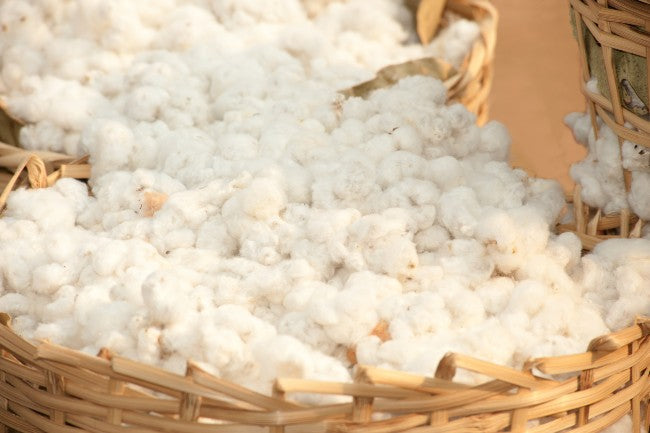
Maud N Lil's use of non GMO corn starch filling and GOTS certified organic cotton fabrics represents the pinnacle of "clean" toy manufacturing, prioritising respiratory health and skin safety for newborns. Unlike mass-market brands that rely on cheap polyester, their organic cotton toys utilise a non GMO natural filling that is breathable, washable and entirely free from petroleum.
In addition to material safety, their products carry dual certification. They meet both the rigorous GOTS organic standard and the AS/NZS ISO 8124 (Australian/New Zealand Safety of Toys) standards, ensuring comprehensive mechanical and chemical safety. Recognising the practical needs of mums and dads, their toys are also designed to be machine washable at 30°C-40°C, maintaining hygiene without compromising the integrity of the natural fibres.

The 2026 "Cozy Culture" Shift
Families are increasingly moving away from hyper-stimulating, plastic heavy gadgets. A 2026 trend identified by the Toy Association highlights a shift toward "Cozy Culture" - a preference for low-tech, tactile materials like organic cotton that aid in emotional regulation and encourage screen free play. This aligns perfectly with the 59% of textile facilities that reported an increase in business opportunities after obtaining GOTS certification in 2025, proving that safety and sustainability are now consumer expectations, not just preferences.
Frequently Asked Questions (FAQ)
What is the safest filling for baby soft toys?
The safest fillings are natural, plant based materials like non GMO plant based filling or organic cotton. These materials are hypoallergenic, naturally flame resistant and free from the microplastics and chemical off gassing associated with conventional polyester fill.
Why is GOTS 8.0 certification important for newborn toys?
Released in 2026, GOTS 8.0 is the strictest standard for organic textiles. It guarantees that the toy is made from at least 95% organic fibres (Maud N Lil toys use 100% certified organic cotton) and is completely free from harmful substances like PFAS, heavy metals and formaldehyde. It also mandates traceability from fibre origin to the finished plush toy.
How should I wash organic cotton soft infant toys?
High quality organic cotton toys, such as those from Maud N Lil, should be machine washed at gentle temperatures (30°C-40°C). This ensures the toys remain hygienic for babies who frequently put them in their mouths, while protecting the natural fibres and plant based fillings from heat damage.
Conclusion
When selecting soft toys for a new baby, looking beyond the surface is critical. The shift toward GOTS 8.0 certified materials and plant based fillings reflects a necessary evolution in child safety. By choosing toys made from organic cotton and non-toxic fills and avoiding the hidden dangers of polyester and chemical flame retardants, parents can provide their infants with sleep companions that are as safe as they are comforting.